


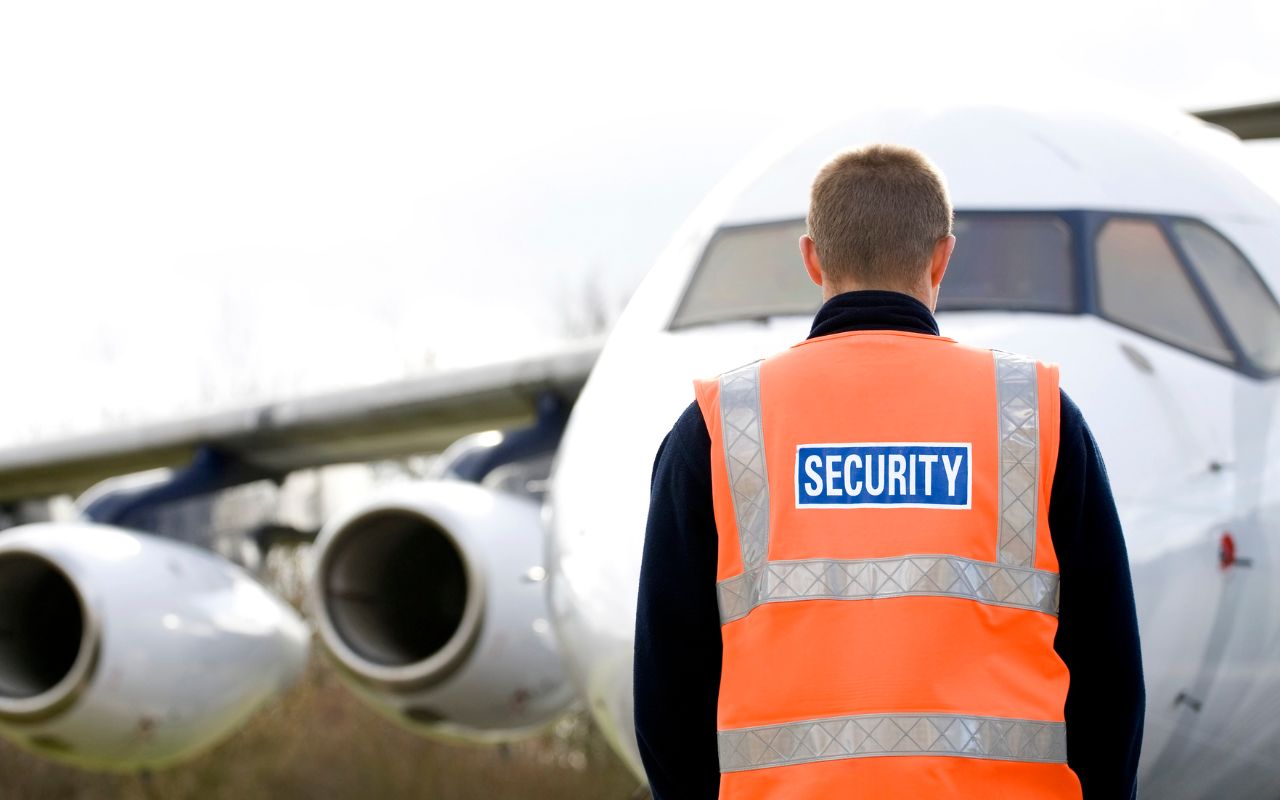
In the world of flying, safety and privacy are very important. Rich people, company bosses, government officials, and famous travelers use planes because they want to be safe and have more freedom. As more people use planes, there is a bigger need for good security services to protect passengers, crew members, planes, and important information.
Private flying has security problems, such as people getting in without permission, cyber attacks, and weak airports. To fix these problems, private plane companies need security services that make sure flights are safe from start to finish.
Good security services are now a part of private plane operations, helping companies follow rules, protect their assets, and make passengers feel safe.
The Growing Importance of Security in Private Aviation
Private jet travelers often include business leaders, celebrities, diplomats, and government officials who require higher levels of privacy and protection than commercial airline passengers. Unlike commercial aviation, private aircraft frequently operate through multiple airports, Fixed Base Operators (FBOs), and international destinations, increasing the complexity of security management.
Security incidents can have significant financial, operational, and reputational consequences. Even a minor breach can disrupt flight schedules, compromise passenger safety, and damage client trust.
This is why private aviation operators invest heavily in comprehensive private jet security services that address both physical and operational security risks while maintaining a seamless passenger experience.
Key Components of Private Jet Security Services
Professional security programs cover multiple layers of protection throughout the flight lifecycle.
Passenger and Crew Security Screening
One of the primary responsibilities of aviation security teams is ensuring that all passengers, crew members, and authorized personnel are properly screened before boarding.
Security measures often include:
- Identity verification
- Background checks for crew members
- Access control procedures
- Passenger screening protocols
- Baggage inspections
- Visitor management systems
These procedures help prevent unauthorized access and minimize potential security threats.
Airport Security Management for Private Aviation
Effective airport security management plays a critical role in maintaining secure private jet operations. Since private aircraft often utilize private terminals and FBO facilities, security teams must coordinate closely with airport authorities and service providers.
Airport security management includes:
- Perimeter monitoring
- Aircraft access control
- Ramp security
- Surveillance systems
- Visitor verification
- Vehicle inspection procedures
By implementing strict security controls around aircraft parking areas and terminal facilities, operators can significantly reduce the risk of unauthorized entry or security breaches.
VIP Aircraft Protection Services
Many private aviation clients require specialized security support due to their public profile or business responsibilities. This has led to growing demand for VIP aircraft protection services designed specifically for high-profile travelers.
These services may include:
- Executive protection teams
- Secure transportation arrangements
- Threat assessments
- Advance security planning
- Secure terminal access
- Travel risk management
VIP protection professionals work closely with flight operations teams to ensure smooth travel experiences while minimizing exposure to security risks.
For corporate executives and government officials traveling internationally, these services provide an additional layer of confidence and protection throughout the journey.
Aircraft Security During Ground Operations
A significant portion of aviation security risks occurs while aircraft are on the ground. Whether parked overnight, undergoing maintenance, or waiting for departure, private aircraft remain vulnerable to unauthorized access and tampering.
Professional security teams help protect aircraft through:
- Continuous surveillance monitoring
- Security patrols
- Access control systems
- Aircraft sealing procedures
- Maintenance activity oversight
- Vendor verification processes
These measures ensure that aircraft remain secure before every flight and reduce operational risks.
Cybersecurity in Modern Aviation Security Solutions
Today’s private aircraft rely heavily on digital systems, communication networks, and connected technologies. As a result, cybersecurity has become a critical component of modern aviation security solutions.
Potential cyber threats include:
- Unauthorized system access
- Data breaches
- Flight planning disruptions
- Communication interference
- Passenger data theft
To mitigate these risks, aviation operators implement cybersecurity protocols such as:
- Secure network infrastructure
- Data encryption
- Multi-factor authentication
- Continuous system monitoring
- Security awareness training
Cybersecurity measures protect both operational systems and sensitive passenger information, ensuring secure and uninterrupted operations.
Security Risk Assessments and Threat Management
A proactive approach to aviation security begins with comprehensive risk assessment. Professional security providers continuously evaluate potential threats and vulnerabilities across all aspects of flight operations.
Risk management activities typically include:
- Security audits
- Threat intelligence monitoring
- Route risk analysis
- Destination assessments
- Emergency response planning
- Crisis management support
These assessments enable operators to identify risks early and implement preventive measures before issues arise.
Regulatory Compliance and Aviation Security Standards
Private jet operators must comply with various national and international security regulations. Maintaining compliance requires ongoing monitoring, documentation, and procedural updates.
Professional security providers assist operators with:
- Regulatory compliance management
- Security program development
- Audit preparation
- Documentation support
- Staff training programs
Staying compliant not only reduces legal and operational risks but also enhances overall security effectiveness.
Technology Driving the Future of Aviation Security
The aviation security landscape continues to evolve with advancements in technology. Emerging solutions are helping operators strengthen security while maintaining operational efficiency.
Innovations include:
- AI-powered surveillance systems
- Biometric identity verification
- Automated access control
- Real-time threat monitoring
- Predictive security analytics
- Smart airport security platforms
These technologies enable faster response times, improved situational awareness, and enhanced protection for passengers and aircraft.
Why Private Jet Operators Choose Professional Aviation Security Partners
Managing aviation security internally can be resource-intensive and complex. Professional security providers offer specialized expertise, trained personnel, and scalable solutions tailored to the unique requirements of private aviation.
Benefits of outsourcing security services include:
- Access to aviation security specialists
- Reduced operational burden
- Enhanced regulatory compliance
- 24/7 monitoring capabilities
- Improved risk management
- Cost-effective security operations
By partnering with experienced providers, operators can focus on delivering exceptional passenger experiences while ensuring the highest levels of safety and protection.
In conclusion, as private flying continues to grow, the importance of comprehensive security services has never been greater. From passenger screening and airport security to cybersecurity and VIP plane protection, professional security programs play a role in safeguarding every aspect of private plane operations.
Modern private flying security solutions help companies mitigate risks, maintain compliance, and provide the travel experience that private plane passengers expect. Whether protecting travelers, securing planes on the ground, or defending against emerging cyber threats, professional security services remain a cornerstone of safe and successful private plane operations.
For plane companies that want to maintain operational excellence, strengthen passenger confidence, and protect valuable assets, investing in specialized private flying security services is not just necessary. It is a strategic business imperative.
