


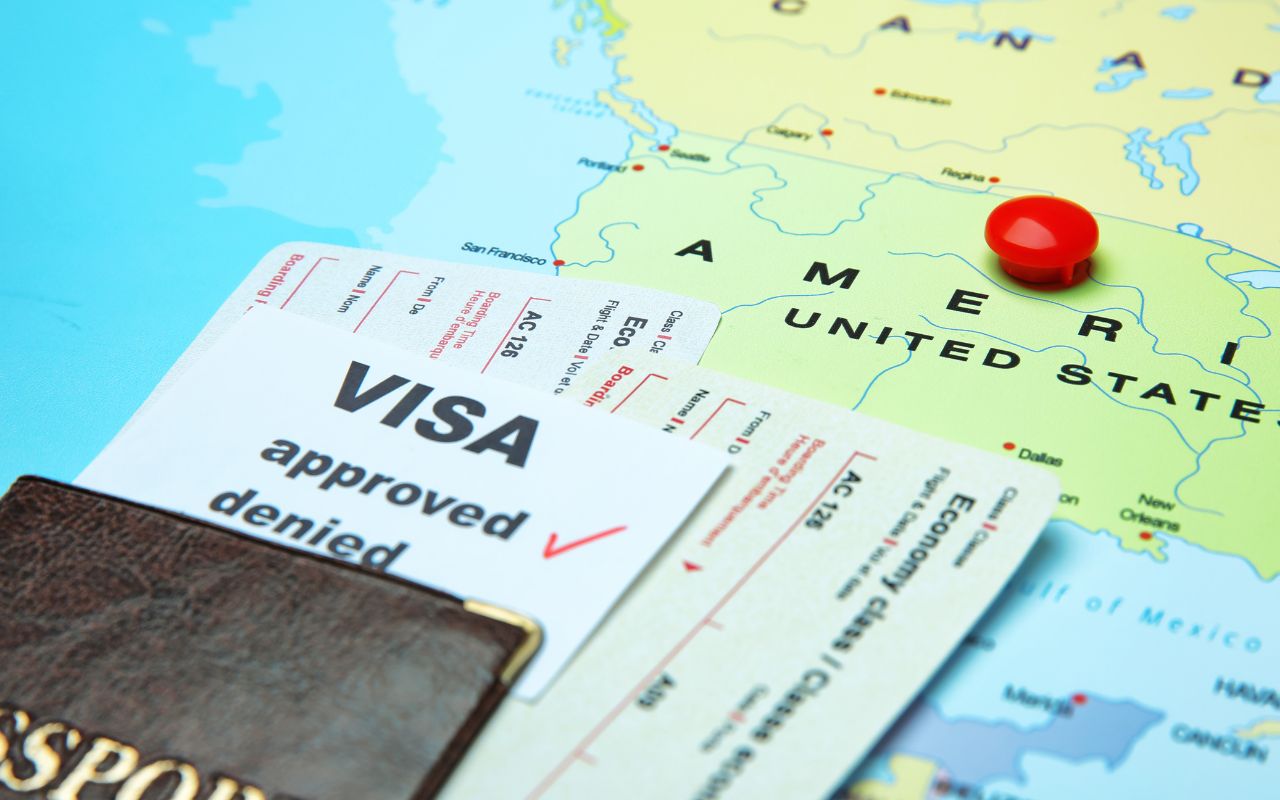
International private aviation operates in a highly regulated environment where compliance is critical to ensuring seamless flight operations. While much attention is given to aircraft permits, customs clearances, and passenger documentation, flight crew visa compliance is equally important. Pilots, cabin crew, and operational personnel traveling across international borders must meet specific immigration and entry requirements to avoid delays, penalties, or disruptions.
As private jet operations continue to expand globally, understanding international aviation visa requirements has become essential for operators, management companies, charter providers, and flight departments. Professional flight crew visa services and aviation immigration support services help organizations navigate complex visa regulations and maintain uninterrupted operations.
Why Flight Crew Visa Compliance Matters
Unlike commercial airline crew operating under established bilateral agreements, private aviation crews often face varying immigration requirements depending on the destination country, purpose of travel, duration of stay, and crew nationality.
Failure to comply with visa regulations can result in:
- Flight delays and schedule disruptions
- Entry denials for crew members
- Regulatory penalties and fines
- Increased operational costs
- Passenger service disruptions
- Reputational damage
For private jet operators handling international missions, maintaining accurate pilot visa documentation and ensuring crew compliance is essential for smooth operations.
Understanding International Aviation Visa Requirements
Every country establishes its own immigration policies regarding flight crews. Some countries provide visa exemptions for crew members operating registered commercial flights, while others require formal visas regardless of crew status.
Several factors influence international aviation visa requirements, including:
Nationality of the Crew Member
Visa requirements vary based on citizenship. A pilot holding a U.S. passport may have different entry privileges compared to a crew member from another country.
Purpose of Entry
Authorities often distinguish between crew members operating a flight and those entering for training, repositioning, maintenance oversight, or extended stays.
Duration of Stay
Short operational layovers may qualify for crew transit exemptions in certain countries, while longer stays typically require specific visas.
Type of Flight Operation
Private charter operations, corporate aviation, medical flights, and government flights may be subject to different immigration regulations.
Because requirements can change frequently, operators rely on specialized crew travel compliance services to monitor regulations and ensure compliance.
Common Visa Types Used in Private Aviation
Depending on the destination and operational purpose, flight crews may require one of several visa categories.
Crew Visa
Many countries issue dedicated crew visas specifically designed for aviation professionals. These visas allow pilots and cabin crew to enter and exit while performing operational duties.
Transit Visa
Transit visas are required when crew members pass through a country en route to another destination. Some countries waive this requirement under specific conditions.
Business Visa
Crew members attending training programs, business meetings, aircraft deliveries, or operational reviews may need a business visa rather than a crew visa.
Multiple-Entry Visa
Frequently used by international operators, multiple-entry visas provide greater operational flexibility and reduce administrative burdens for recurring travel.
Proper management of these visa categories forms a key component of professional flight crew visa services.
Essential Pilot Visa Documentation
Obtaining crew visas often requires extensive supporting documentation. Missing or inaccurate paperwork can significantly delay approvals.
Common pilot visa documentation requirements include:
Valid Passport
Most countries require passports to remain valid for at least six months beyond the planned travel date.
Crew Identification
Airline or operator-issued crew identification cards verify the individual’s aviation role and employment status.
Airman Certificates and Licenses
Authorities may request copies of pilot licenses, certifications, and qualification records.
Employment Verification
Official letters from the operator confirming employment and flight responsibilities are often required.
Flight Itinerary
Details of planned flight schedules, destinations, and operational purpose may be necessary during visa applications.
Supporting Operational Documents
These may include:
- Aircraft registration certificates
- Operator certificates
- Charter agreements
- Passenger manifests
- Flight permits
Maintaining accurate records helps operators streamline immigration processes and avoid last-minute complications.
Challenges Faced by International Flight Crews
Managing visa compliance for global flight operations presents several challenges.
Frequently Changing Regulations
Immigration policies are regularly updated due to geopolitical developments, public health measures, security concerns, and bilateral agreements.
Short-Notice Flights
Private aviation often involves urgent travel requests, making visa acquisition difficult when destinations require lengthy processing times.
Multi-Country Operations
A single international mission may involve multiple countries, each with different entry requirements.
Crew Rotation Management
Operators must ensure that replacement crew members also meet visa and immigration requirements before assignment.
Documentation Tracking
Monitoring visa validity, renewals, and expiration dates across multiple crew members requires continuous oversight.
These complexities highlight the value of professional aviation immigration support services.
How Flight Crew Visa Services Support Operators
Many private aviation companies partner with specialized providers to manage crew immigration requirements efficiently.
Professional flight crew visa services typically include:
Visa Assessment and Planning
Experts evaluate travel plans and identify applicable visa requirements based on crew nationality, destination, and operational purpose.
Documentation Management
Support teams assist in gathering, verifying, and submitting required documents to avoid application delays.
Visa Processing Coordination
Providers coordinate with embassies, consulates, and immigration authorities to facilitate timely approvals.
Regulatory Monitoring
Continuous monitoring of immigration changes ensures operators remain compliant with evolving regulations.
Emergency Visa Assistance
For urgent operational requirements, support teams help expedite visa processing whenever possible.
These services reduce administrative burdens and enable operators to focus on flight operations rather than immigration complexities.
The Role of Crew Travel Compliance Services
Effective crew travel compliance services extend beyond visa management. They help organizations build comprehensive compliance frameworks that support safe and uninterrupted global operations.
Key areas include:
- Immigration compliance monitoring
- Travel document management
- Crew eligibility verification
- Visa renewal tracking
- Entry and transit requirement monitoring
- International travel risk assessments
By implementing structured compliance processes, operators minimize operational risks and improve overall efficiency.
Best Practices for Managing International Crew Travel
Private aviation operators can improve compliance by adopting proactive travel management strategies.
Maintain Updated Crew Records
Ensure passports, licenses, medical certificates, and visas remain current and readily accessible.
Plan Ahead
Whenever possible, review destination requirements well before scheduled departures.
Use Compliance Technology
Digital tracking systems help monitor visa validity and documentation status across flight crews.
Partner with Specialists
Experienced aviation immigration support services providers offer expertise that reduces administrative workload and improves compliance accuracy.
Monitor Regulatory Changes
Regular reviews of international immigration regulations help operators avoid unexpected disruptions.
Conclusion
As private aviation becomes increasingly global, managing crew immigration requirements has become a critical component of successful flight operations. Understanding international aviation visa requirements, maintaining accurate pilot visa documentation, and implementing effective crew travel compliance services help operators avoid delays, reduce risks, and ensure smooth international travel.
Professional flight crew visa services and aviation immigration support services provide the expertise needed to navigate complex regulatory environments while supporting operational continuity. By prioritizing crew visa compliance, private jet operators can enhance efficiency, protect service quality, and deliver seamless international aviation experiences for both crew members and passengers.
In today’s interconnected aviation landscape, proactive visa and immigration management is no longer just an administrative requirement—it is a strategic necessity for smooth international private aviation operations.
