


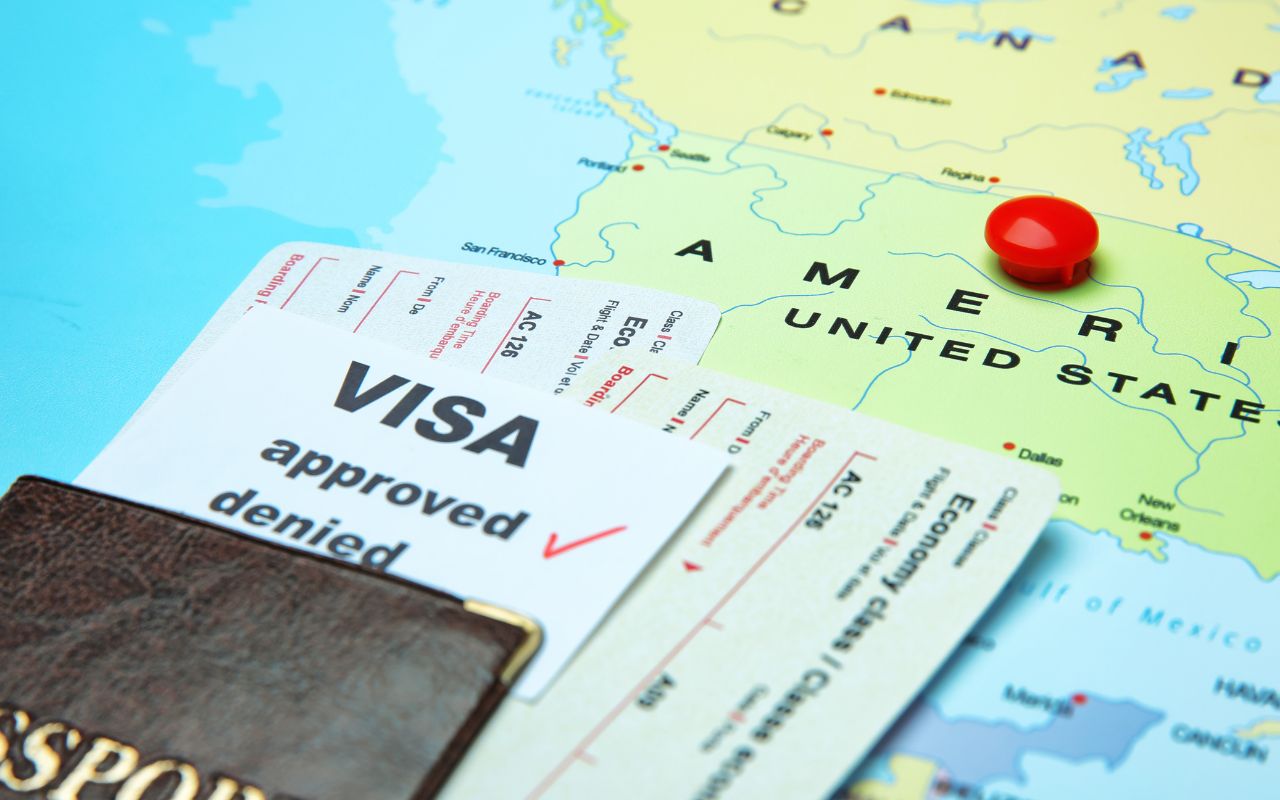
International private aviation operates in a highly regulated environment where compliance is critical to ensuring seamless flight operations. While much attention is given to aircraft permits, customs clearances, and passenger documentation, flight crew visa compliance is equally important. Pilots, cabin crew, and operational personnel traveling across international borders must meet specific immigration and entry requirements to avoid delays, penalties, or disruptions. As private jet operations continue to expand globally, understanding international aviation visa requirements has become essential for operators, management companies, charter providers, and flight departments. Professional flight crew visa services and aviation immigration support services help organizations navigate complex visa regulations and maintain uninterrupted operations. Why Flight Crew Visa Compliance Matters Unlike commercial airline crew operating under established bilateral agreements, private aviation crews often face varying immigration requirements depending on the destination country, purpose of travel, duration of stay, and crew nationality. Failure to comply with visa regulations can result in: Flight delays and schedule disruptions Entry denials for crew members Regulatory penalties and fines Increased operational costs Passenger service disruptions Reputational damage For private jet operators handling international missions, maintaining accurate pilot visa documentation and ensuring crew compliance is essential for smooth operations. Understanding International Aviation Visa Requirements Every country establishes its own immigration policies regarding flight crews. Some countries provide visa exemptions for crew members operating registered commercial flights, while others require formal visas regardless of crew status. Several factors influence international aviation visa requirements, including: Nationality of the Crew Member Visa requirements vary based on citizenship. A pilot holding a U.S. passport may have different entry privileges compared to a crew member from another country. Purpose of Entry Authorities often distinguish between crew members operating a flight and those entering for training, repositioning, maintenance oversight, or extended stays. Duration of Stay Short operational layovers may qualify for crew transit exemptions in certain countries, while longer stays typically require specific visas. Type of Flight Operation Private charter operations, corporate aviation, medical flights, and government flights may be subject to different immigration regulations. Because requirements can change frequently, operators rely on specialized crew travel compliance services to monitor regulations and ensure compliance. Common Visa Types Used in Private Aviation Depending on the destination and operational purpose, flight crews may require one of several visa categories. Crew Visa Many countries issue dedicated crew visas specifically designed for aviation professionals. These visas allow pilots and cabin crew to enter and exit while performing operational duties. Transit Visa Transit visas are required when crew members pass through a country en route to another destination. Some countries waive this requirement under specific conditions. Business Visa Crew members attending training programs, business meetings, aircraft deliveries, or operational reviews may need a business visa rather than a crew visa. Multiple-Entry Visa Frequently used by international operators, multiple-entry visas provide greater operational flexibility and reduce administrative burdens for recurring travel. Proper management of these visa categories forms a key component of professional flight crew visa services. Essential Pilot Visa Documentation Obtaining crew visas often requires extensive supporting documentation. Missing or inaccurate paperwork can significantly delay approvals. Common pilot visa documentation requirements include: Valid Passport Most countries require passports to remain valid for at least six months beyond the planned travel date. Crew Identification Airline or operator-issued crew identification cards verify the individual’s aviation role and employment status. Airman Certificates and Licenses Authorities may request copies of pilot licenses, certifications, and qualification records. Employment Verification Official letters from the operator confirming employment and flight responsibilities are often required. Flight Itinerary Details of planned flight schedules, destinations, and operational purpose may be necessary during visa applications. Supporting Operational Documents These may include: Aircraft registration certificates Operator certificates Charter agreements Passenger manifests Flight permits Maintaining accurate records helps operators streamline immigration processes and avoid last-minute complications. Challenges Faced by International Flight Crews Managing visa compliance for global flight operations presents several challenges. Frequently Changing Regulations Immigration policies are regularly updated due to geopolitical developments, public health measures, security concerns, and bilateral agreements. Short-Notice Flights Private aviation often involves urgent travel requests, making visa acquisition difficult when destinations require lengthy processing times. Multi-Country Operations A single international mission may involve multiple countries, each with different entry requirements. Crew Rotation Management Operators must ensure that replacement crew members also meet visa and immigration requirements before assignment. Documentation Tracking Monitoring visa validity, renewals, and expiration dates across multiple crew members requires continuous oversight. These complexities highlight the value of professional aviation immigration support services. How Flight Crew Visa Services Support Operators Many private aviation companies partner with specialized providers to manage crew immigration requirements efficiently. Professional flight crew visa services typically include: Visa Assessment and Planning Experts evaluate travel plans and identify applicable visa requirements based on crew nationality, destination, and operational purpose. Documentation Management Support teams assist in gathering, verifying, and submitting required documents to avoid application delays. Visa Processing Coordination Providers coordinate with embassies, consulates, and immigration authorities to facilitate timely approvals. Regulatory Monitoring Continuous monitoring of immigration changes ensures operators remain compliant with evolving regulations. Emergency Visa Assistance For urgent operational requirements, support teams help expedite visa processing whenever possible. These services reduce administrative burdens and enable operators to focus on flight operations rather than immigration complexities. The Role of Crew Travel Compliance Services Effective crew travel compliance services extend beyond visa management. They help organizations build comprehensive compliance frameworks that support safe and uninterrupted global operations. Key areas include: Immigration compliance monitoring Travel document management Crew eligibility verification Visa renewal tracking Entry and transit requirement monitoring International travel risk assessments By implementing structured compliance processes, operators minimize operational risks and improve overall efficiency. Best Practices for Managing International Crew Travel Private aviation operators can improve compliance by adopting proactive travel management strategies. Maintain Updated Crew Records Ensure passports, licenses, medical certificates, and visas remain current and readily accessible. Plan Ahead Whenever possible, review destination requirements well before scheduled departures. Use Compliance Technology Digital tracking systems help monitor visa validity and documentation status across flight crews. Partner

Premium Airport Assistance Services Designed for Smooth Business Aviation Travel Experience
In the world of business aviation, time, convenience, and personalized service are critical factors that define the travel experience. Whether it’s corporate executives, high-net-worth individuals, government officials, or VIP travelers, expectations extend far beyond simply reaching a destination. Today’s travelers seek seamless airport experiences that minimize delays, eliminate unnecessary stress, and maximize efficiency. This growing demand has fueled the rise of airport concierge services and specialized VIP airport assistance solutions designed specifically for business aviation passengers. From expedited check-ins and fast-track immigration clearance to personalized meet-and-greet services, premium airport assistance has become an essential component of modern private and corporate travel. As business aviation continues to grow globally, airports, Fixed Base Operators (FBOs), and aviation service providers are increasingly investing in comprehensive business aviation support services that elevate the passenger journey from arrival to departure. Understanding Premium Airport Assistance Services Premium airport assistance services are personalized solutions designed to simplify and enhance the airport experience for travelers. These services provide dedicated support throughout various stages of the journey, ensuring smooth transitions between airport processes while reducing waiting times and administrative hurdles. Unlike standard airport services, premium assistance focuses on creating a stress-free and highly personalized travel experience. Dedicated agents coordinate airport formalities, manage documentation, assist with baggage handling, and provide guidance through security and immigration procedures. For business aviation passengers, these services are particularly valuable because they align with the industry’s emphasis on efficiency, discretion, and exceptional customer care. Why Business Aviation Travelers Need Airport Concierge Services Business travelers often operate on tight schedules where every minute matters. Delays at airport checkpoints, lengthy immigration lines, or baggage-related issues can disrupt carefully planned itineraries and affect business commitments. Airport concierge services help address these challenges by offering: Personalized meet-and-greet assistance Fast-track security and immigration clearance Dedicated baggage support Priority airport navigation Ground transportation coordination Flight monitoring and travel updates These services allow passengers to focus on their priorities while trained professionals handle the operational aspects of their airport journey. For executives traveling internationally, premium airport assistance can significantly improve productivity by reducing transit-related stress and saving valuable time. The Growing Importance of VIP Airport Assistance The demand for VIP airport assistance has increased substantially as business aviation expands across global markets. High-profile travelers require privacy, security, efficiency, and personalized attention throughout their journey. VIP airport assistance services are designed to meet these expectations by providing exclusive support tailored to individual preferences and travel requirements. Common VIP airport services include: Personalized Meet and Greet Dedicated airport representatives welcome passengers upon arrival or departure and guide them through every stage of the airport process. Expedited Immigration and Security Long queues can be a major inconvenience for business travelers. VIP assistance provides access to priority processing channels that reduce waiting times and streamline airport formalities. Baggage Assistance From luggage collection to porter services, dedicated support ensures baggage is handled efficiently and securely. Lounge Access Coordination Premium travelers often require access to executive lounges where they can work, relax, or prepare for meetings before departure. Ground Transportation Management Airport assistance teams coordinate luxury transportation services to ensure smooth transfers between airports, hotels, offices, or private terminals. These services contribute to a seamless and premium travel experience while maintaining the highest standards of professionalism and discretion. Fast Track Airport Services: Saving Time for Business Travelers One of the most valuable components of premium airport assistance is access to fast track airport services. Business aviation passengers frequently travel on tight schedules, making efficient airport processing essential. Fast-track services help reduce delays by providing priority access through key airport checkpoints. Benefits include: Faster security screening Priority immigration processing Expedited customs clearance Reduced waiting times Improved travel efficiency For international business travelers managing multiple meetings, connecting flights, or time-sensitive engagements, fast-track airport services can significantly improve travel productivity and overall satisfaction. Luxury Airport Assistance for a Premium Travel Experience Luxury has become a defining element of modern business aviation. Today’s travelers expect premium service not only onboard aircraft but throughout the entire travel journey. Luxury airport assistance focuses on creating a personalized and comfortable airport experience that reflects the standards associated with private aviation. Luxury services may include: Personalized travel coordinators Private terminal arrangements VIP lounge access Chauffeur coordination Exclusive airport escort services Personalized travel support These services provide a seamless extension of the private aviation experience, ensuring passengers receive exceptional treatment from arrival to departure. For corporate leaders and high-net-worth individuals, luxury airport assistance enhances convenience while maintaining privacy and exclusivity. The Role of Business Aviation Support Services Behind every successful business aviation journey is a network of specialized business aviation support services working to ensure operational excellence. Airport assistance providers collaborate closely with: Fixed Base Operators (FBOs) Private jet operators Charter companies Ground handling agents Airport authorities Customs and immigration agencies This coordination enables smooth flight operations and enhances the passenger experience. Business aviation support services often include: Flight Coordination Managing schedules, operational updates, and communication between stakeholders. Passenger Services Providing personalized support before, during, and after airport transit. Ground Handling Coordination Ensuring aircraft servicing, fueling, baggage management, and transportation logistics are executed efficiently. Documentation Support Assisting with travel documentation, visa requirements, and regulatory compliance. Together, these services create a highly integrated travel experience that minimizes disruptions and supports efficient business aviation operations. Benefits for Private Jet Operators and FBOs Premium airport assistance services not only benefit travelers but also create value for private jet operators and FBOs. Advantages include: Enhanced customer satisfaction Improved passenger retention Increased service differentiation Stronger brand reputation Higher operational efficiency As competition within business aviation continues to grow, delivering superior passenger experiences has become a key differentiator. Premium airport assistance helps operators strengthen customer relationships while maintaining service excellence. The Future of Airport Concierge and VIP Assistance Services Technology is transforming the way premium airport services are delivered. Modern airport assistance providers are increasingly adopting digital tools that improve efficiency and personalization. Emerging trends include: Real-time passenger tracking Mobile concierge platforms AI-powered travel assistance Automated travel notifications Digital document management These

Luxury Airport Transfer Services for Private Jet Travelers and High-End Business Clients
In the world of flying and executive travel, the journey does not start at the airport; it starts the moment a traveler leaves their home, office, or hotel. For people who fly on jets, like corporate executives, rich people, and very important guests, every part of the travel experience has to be efficient, comfortable, secure, and exclusive. This is where luxury airport transfer services come in. As business travel keeps changing, companies and private jet operators are spending money on premium ground transportation to go along with their flying services. Whether it is a transfer from a private terminal to a luxury hotel or a driver waiting for you when you arrive, professional airport transportation services help create a great travel experience from start to finish. The Growing Demand for Luxury Airport Transfers Today people who fly on jets expect more than just a flight. They expect a travel experience that prioritizes convenience, privacy, and personalized service. Business leaders, people, government officials, and corporate executives often have very tight schedules where delays and problems are not acceptable. Regular transportation options may not provide the level of reliability, discretion, and service quality that these travelers need. As a result, VIP airport transfer services have become a part of private flying and executive travel. These services make sure that passengers have transitions between airports, hotels, offices, events, and other destinations without compromising comfort or efficiency. Why Luxury Airport Transfers Matter for Private Jet Travelers Private jet travel is designed around convenience and flexibility. However, the travel experience can quickly be diminished if ground transportation is not aligned with the same high standards. Luxury airport transfer providers help bridge this gap by offering: Professional chauffeur services Real-time flight monitoring Personalized pickup and drop-off arrangements Executive-class vehicles Enhanced security and privacy 24/7 availability For private jet travelers, these services ensure continuity throughout the entire journey and eliminate common transportation challenges. Key Features of VIP Airport Transfer Services 1. Personalized Meet-and-Greet Services One of the defining characteristics of VIP airport transfer services is the personalized attention provided to passengers upon arrival. Professional chauffeurs or concierge representatives greet travelers directly at the terminal, assist with luggage, and escort them to their waiting vehicle. This level of service is especially valuable for international travelers, corporate executives, and first-time visitors navigating unfamiliar destinations. Personalized meet-and-greet services create a welcoming experience while minimizing stress and travel fatigue. 2. Luxury Vehicle Fleet Premium travelers expect transportation that reflects their lifestyle and professional image. Luxury airport transfer providers typically offer a fleet that includes: Executive sedans Luxury SUVs Premium limousines Luxury vans for group travel Chauffeur-driven executive vehicles These vehicles are equipped with high-end amenities such as Wi-Fi, climate control, spacious seating, charging ports, and privacy features designed to maximize passenger comfort. Executive Airport Shuttle Services for Business Travelers Corporate travel often requires efficient transportation solutions for executives, leadership teams, and business delegations. An executive airport shuttle provides a practical yet luxurious option for companies seeking reliable transportation between airports, offices, hotels, conference centers, and business events. Benefits include: Professional and punctual service Coordinated transportation schedules Reduced travel disruptions Enhanced productivity during transit Consistent corporate branding and service standards Business travelers can continue working during transfers, make important calls, or prepare for meetings without worrying about navigation, parking, or traffic management. The Importance of Reliability in Airport Transportation Reliability is one of the most critical factors in executive travel. Private jet schedules often change with little notice, requiring transportation providers to adapt quickly. Missed pickups, delayed vehicles, or poor communication can negatively impact the overall travel experience. Professional airport transportation providers use advanced technology and real-time monitoring systems to ensure: Accurate flight tracking Dynamic scheduling adjustments Immediate driver updates Route optimization Traffic monitoring These capabilities allow transportation teams to remain flexible and responsive while maintaining exceptional service levels. Private Airport Car Services: Combining Privacy and Security For many high-profile travelers, privacy and security are just as important as comfort. Private airport car services are specifically designed to accommodate travelers who require discretion and enhanced security throughout their journey. This includes: Confidential transportation arrangements Professional, vetted chauffeurs Secure vehicle environments Customized routing options Discreet pickup and drop-off procedures Executives, government officials, celebrities, and high-net-worth individuals often rely on private transportation providers to maintain confidentiality and reduce exposure during travel. Supporting Corporate Travel Programs Many organizations integrate luxury transportation into their broader corporate travel strategies. Premium airport transfer services help businesses: Improve executive travel experiences Enhance employee satisfaction Maintain professional standards Simplify travel coordination Ensure punctuality for meetings and events Companies that prioritize premium travel experiences often see improvements in productivity and traveler satisfaction, particularly among senior leadership teams and key stakeholders. Premium Airport Pickup Services for International Travelers International business travelers face unique challenges such as unfamiliar destinations, language barriers, transportation logistics, and time zone adjustments. Premium airport pickup services Simplify the arrival process by providing: Advance travel coordination Flight monitoring Multilingual support Personalized itinerary management Concierge assistance These services ensure travelers can transition smoothly from the airport to their destination without unnecessary delays or complications. For organizations hosting international clients, investors, or executives, premium pickup services also contribute to a positive first impression and reinforce a commitment to exceptional hospitality. Technology Driving Modern Airport Transfer Services Technology is transforming the luxury transportation industry. Modern airport transfer providers leverage advanced systems to improve efficiency, visibility, and customer experience. Examples include: GPS-enabled fleet management Real-time vehicle tracking Mobile booking platforms Automated notifications Digital travel management tools Integrated flight monitoring systems These technologies help ensure seamless communication between travelers, chauffeurs, dispatch teams, and travel coordinators. The result is a more reliable and efficient transportation experience that aligns with the expectations of today’s executive and private aviation travelers. Choosing the Right Luxury Airport Transfer Partner Not all transportation providers offer the same level of service. When selecting a luxury airport transfer provider, organizations should consider: Industry experience Fleet quality and availability Chauffeur training standards Safety and compliance protocols Global service coverage Technology

How Professional Aircraft Security Services Ensure Safe and Secure Private Jet Operations
In the world of flying, safety and privacy are very important. Rich people, company bosses, government officials, and famous travelers use planes because they want to be safe and have more freedom. As more people use planes, there is a bigger need for good security services to protect passengers, crew members, planes, and important information. Private flying has security problems, such as people getting in without permission, cyber attacks, and weak airports. To fix these problems, private plane companies need security services that make sure flights are safe from start to finish. Good security services are now a part of private plane operations, helping companies follow rules, protect their assets, and make passengers feel safe. The Growing Importance of Security in Private Aviation Private jet travelers often include business leaders, celebrities, diplomats, and government officials who require higher levels of privacy and protection than commercial airline passengers. Unlike commercial aviation, private aircraft frequently operate through multiple airports, Fixed Base Operators (FBOs), and international destinations, increasing the complexity of security management. Security incidents can have significant financial, operational, and reputational consequences. Even a minor breach can disrupt flight schedules, compromise passenger safety, and damage client trust. This is why private aviation operators invest heavily in comprehensive private jet security services that address both physical and operational security risks while maintaining a seamless passenger experience. Key Components of Private Jet Security Services Professional security programs cover multiple layers of protection throughout the flight lifecycle. Passenger and Crew Security Screening One of the primary responsibilities of aviation security teams is ensuring that all passengers, crew members, and authorized personnel are properly screened before boarding. Security measures often include: Identity verification Background checks for crew members Access control procedures Passenger screening protocols Baggage inspections Visitor management systems These procedures help prevent unauthorized access and minimize potential security threats. Airport Security Management for Private Aviation Effective airport security management plays a critical role in maintaining secure private jet operations. Since private aircraft often utilize private terminals and FBO facilities, security teams must coordinate closely with airport authorities and service providers. Airport security management includes: Perimeter monitoring Aircraft access control Ramp security Surveillance systems Visitor verification Vehicle inspection procedures By implementing strict security controls around aircraft parking areas and terminal facilities, operators can significantly reduce the risk of unauthorized entry or security breaches. VIP Aircraft Protection Services Many private aviation clients require specialized security support due to their public profile or business responsibilities. This has led to growing demand for VIP aircraft protection services designed specifically for high-profile travelers. These services may include: Executive protection teams Secure transportation arrangements Threat assessments Advance security planning Secure terminal access Travel risk management VIP protection professionals work closely with flight operations teams to ensure smooth travel experiences while minimizing exposure to security risks. For corporate executives and government officials traveling internationally, these services provide an additional layer of confidence and protection throughout the journey. Aircraft Security During Ground Operations A significant portion of aviation security risks occurs while aircraft are on the ground. Whether parked overnight, undergoing maintenance, or waiting for departure, private aircraft remain vulnerable to unauthorized access and tampering. Professional security teams help protect aircraft through: Continuous surveillance monitoring Security patrols Access control systems Aircraft sealing procedures Maintenance activity oversight Vendor verification processes These measures ensure that aircraft remain secure before every flight and reduce operational risks. Cybersecurity in Modern Aviation Security Solutions Today’s private aircraft rely heavily on digital systems, communication networks, and connected technologies. As a result, cybersecurity has become a critical component of modern aviation security solutions. Potential cyber threats include: Unauthorized system access Data breaches Flight planning disruptions Communication interference Passenger data theft To mitigate these risks, aviation operators implement cybersecurity protocols such as: Secure network infrastructure Data encryption Multi-factor authentication Continuous system monitoring Security awareness training Cybersecurity measures protect both operational systems and sensitive passenger information, ensuring secure and uninterrupted operations. Security Risk Assessments and Threat Management A proactive approach to aviation security begins with comprehensive risk assessment. Professional security providers continuously evaluate potential threats and vulnerabilities across all aspects of flight operations. Risk management activities typically include: Security audits Threat intelligence monitoring Route risk analysis Destination assessments Emergency response planning Crisis management support These assessments enable operators to identify risks early and implement preventive measures before issues arise. Regulatory Compliance and Aviation Security Standards Private jet operators must comply with various national and international security regulations. Maintaining compliance requires ongoing monitoring, documentation, and procedural updates. Professional security providers assist operators with: Regulatory compliance management Security program development Audit preparation Documentation support Staff training programs Staying compliant not only reduces legal and operational risks but also enhances overall security effectiveness. Technology Driving the Future of Aviation Security The aviation security landscape continues to evolve with advancements in technology. Emerging solutions are helping operators strengthen security while maintaining operational efficiency. Innovations include: AI-powered surveillance systems Biometric identity verification Automated access control Real-time threat monitoring Predictive security analytics Smart airport security platforms These technologies enable faster response times, improved situational awareness, and enhanced protection for passengers and aircraft. Why Private Jet Operators Choose Professional Aviation Security Partners Managing aviation security internally can be resource-intensive and complex. Professional security providers offer specialized expertise, trained personnel, and scalable solutions tailored to the unique requirements of private aviation. Benefits of outsourcing security services include: Access to aviation security specialists Reduced operational burden Enhanced regulatory compliance 24/7 monitoring capabilities Improved risk management Cost-effective security operations By partnering with experienced providers, operators can focus on delivering exceptional passenger experiences while ensuring the highest levels of safety and protection. In conclusion, as private flying continues to grow, the importance of comprehensive security services has never been greater. From passenger screening and airport security to cybersecurity and VIP plane protection, professional security programs play a role in safeguarding every aspect of private plane operations. Modern private flying security solutions help companies mitigate risks, maintain compliance, and provide the travel experience that private plane passengers expect. Whether protecting travelers,

How Private Flight Charter Services Are Transforming Corporate and Executive Travel
In today’s fast-paced business world, time is one of the most valuable things for executives and companies. Traditional commercial air travel has some challenges, like long security lines, flight delays, limited schedules, and crowded airports. These problems can hurt productivity, flexibility, and overall business efficiency. Many companies are now turning to flight charter services as a smart travel solution. Private aviation used to be a luxury for very rich people, but now it’s a practical and efficient option for businesses that want more control over their travel schedules. Modern charter services are changing the way executives travel by offering convenience, flexibility, privacy, and better productivity. Today corporate private aviation is not about luxury; it’s about making smarter business operations and maximizing executive time. The Growing Demand for Corporate Private Aviation The global business landscape has become increasingly interconnected. Executives frequently travel between multiple cities, countries, and regions to meet clients, manage operations, attend conferences, and explore growth opportunities. Commercial airlines often struggle to meet the scheduling demands of busy professionals. This growing need for flexibility has driven the demand for executive air travel solutions. Companies are recognizing that private charter flights allow decision-makers to travel on their own schedules rather than adjusting business plans around airline timetables. Private aviation also provides access to thousands of regional and secondary airports that commercial airlines may not serve. This enables travelers to reach destinations more efficiently while significantly reducing travel time. As organizations continue to prioritize operational efficiency and executive productivity, the role of private charter aviation is expected to expand further. How Charter Services Improve Business Efficiency One of the primary reasons businesses invest in charter services is the ability to save time. Commercial travel often involves arriving hours before departure, waiting through security lines, dealing with layovers, and navigating crowded terminals. Private charter flights eliminate many of these challenges by offering: Faster boarding processes Flexible departure schedules Direct flight routes Access to smaller airports Reduced travel disruptions Executives can arrive closer to departure time and spend more time focusing on strategic priorities rather than airport logistics. For organizations with leadership teams that travel frequently, these time savings can translate into improved productivity and faster decision-making. On-Demand Private Flights Offer Unmatched Flexibility Business opportunities can arise unexpectedly. Whether responding to a client request, attending an urgent meeting, or managing operational challenges, executives often need immediate travel solutions. On-demand private flights provide the flexibility to arrange travel according to business needs rather than fixed airline schedules. Key advantages include: Customized Scheduling Flights can be booked based on specific departure and arrival requirements. Multiple Destination Travel Executives can visit multiple locations in a single day without relying on complex airline connections. Last-Minute Travel Availability Private charter providers can often accommodate urgent travel requests within hours. Route Optimization Flights can be planned to minimize travel time and maximize efficiency. This flexibility allows businesses to remain agile in highly competitive markets. Enhancing Productivity While Traveling One of the often-overlooked benefits of corporate private aviation is the ability to remain productive during travel. Commercial flights can make it difficult for executives to conduct confidential discussions, hold meetings, or focus on important work. In contrast, private aircraft provide a secure and controlled environment that supports business activities. Passengers can: Conduct private meetings onboard Prepare for client presentations Participate in virtual conferences Review sensitive business documents Collaborate with colleagues during flights For leadership teams, the aircraft effectively becomes an extension of the office, allowing valuable working hours to be utilized efficiently. The Role of Privacy and Security in Executive Travel Privacy remains a critical concern for many organizations, particularly those handling confidential information, mergers and acquisitions, financial transactions, or sensitive negotiations. Private charter aviation offers a significantly higher level of privacy compared to commercial air travel. Benefits include: Private terminals and lounges Controlled passenger access Confidential travel arrangements Secure communication environments Reduced exposure to public spaces These advantages make private aviation particularly attractive for senior executives, business owners, government officials, and high-profile corporate leaders. Luxury Business Travel Services Create Better Travel Experiences Modern executives increasingly expect travel experiences that align with their professional demands and personal preferences. Luxury business travel services provided through private charter operators focus on delivering personalized and seamless journeys. Services often include: Customized onboard catering Premium cabin configurations Dedicated concierge support Ground transportation coordination Personalized flight experiences While luxury remains an important aspect of private aviation, these services primarily contribute to comfort, efficiency, and traveler well-being, especially during demanding travel schedules. By reducing travel stress and enhancing comfort, executives can arrive at their destinations more focused and prepared. Access to Global Business Opportunities Private aviation enables organizations to access business opportunities that may otherwise be difficult to reach through commercial airline networks. Many industrial facilities, manufacturing sites, logistics hubs, and emerging business centers are located far from major international airports. Private charter aircraft can operate from smaller regional airports closer to these destinations. This accessibility provides significant advantages, including: Faster access to remote locations Improved client engagement Increased market reach Better support for global operations For multinational organizations, private aviation supports strategic expansion while improving responsiveness to business needs. Technology Is Driving the Future of Charter Services The private aviation sector has embraced technology to improve booking experiences, operational efficiency, and customer satisfaction. Today’s charter providers offer advanced solutions such as Digital flight booking platforms Real-time aircraft availability Mobile booking applications Automated scheduling systems Flight tracking capabilities Technology is making executive air travel solutions more accessible and transparent than ever before. Organizations can now arrange private flights quickly and efficiently while maintaining visibility into travel costs and operational planning. The Growing Value of Private Aviation for Businesses As companies continue to seek competitive advantages, private aviation is increasingly viewed as a strategic business tool rather than simply a luxury expense. The value of private charter services extends beyond convenience. Businesses benefit from: Increased executive productivity Reduced travel time Greater operational flexibility Improved customer and partner engagement Enhanced confidentiality and security For organizations operating in
