


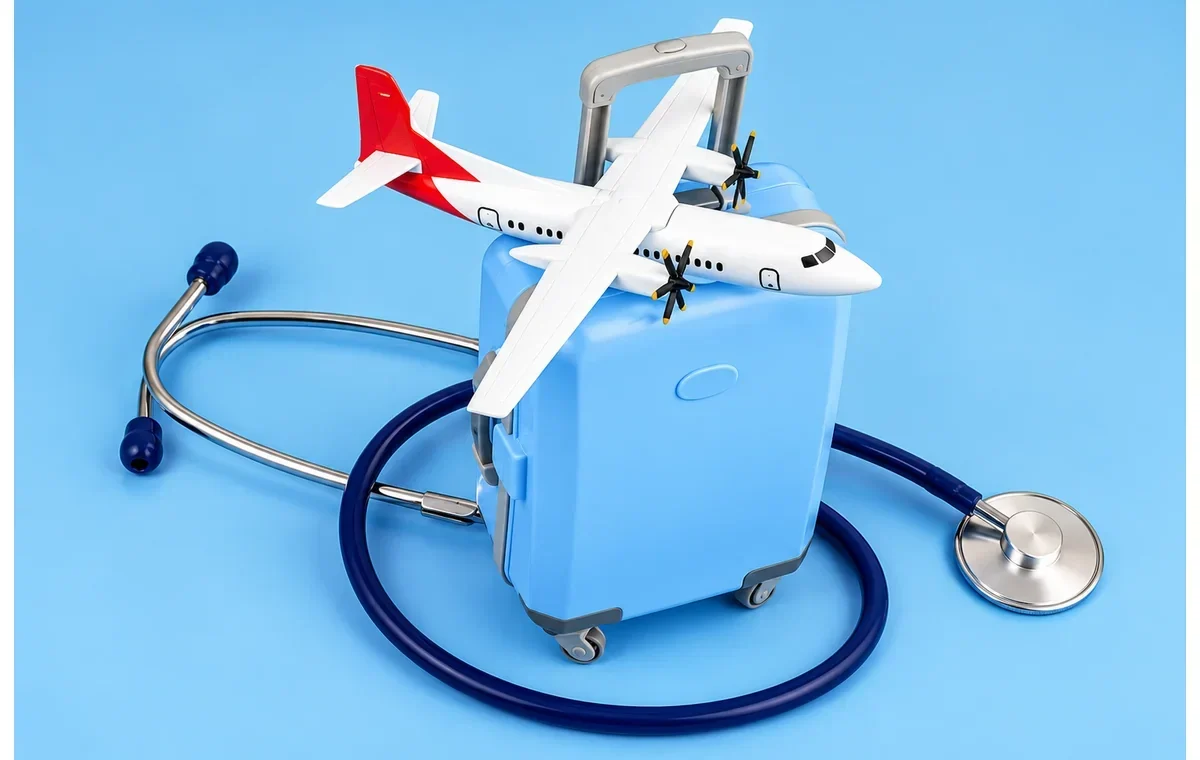
In both aviation and healthcare, there is little room for error. Every decision, process, and handoff can have significant consequences. While these industries operate in different environments, they share a common goal: delivering safe, reliable outcomes under pressure.
Healthcare has embraced High Reliability Organization (HRO) principles to reduce errors and improve patient safety. Aviation can draw valuable lessons from these systems to strengthen operational resilience and consistency.
1. Preoccupation with Failure – Spot Weak Signals Early
High-performing healthcare teams treat small anomalies as potential indicators of larger problems rather than isolated events.
Aviation operators can adopt this mindset by:
- Tracking subtle operational deviations (fuel burn trends, minor delays, or system alerts).
- Escalating “near-misses” and low-level concerns immediately.
- Fostering a culture that rewards early reporting instead of rewarding silence.
Lesson: Catching weak signals prevents small issues from cascading into major disruptions.
2. Standardised Processes Improve Consistency
Hospitals rely on checklists and standard operating procedures to minimise variation during critical tasks.
For aviation, this means:
- Following structured SOPs across operations.
- Maintaining consistent flight planning and dispatch processes.
- Standardising communication between all stakeholders.
Lesson: Consistency reduces operational risk and improves decision-making.
3. Build a Culture Where Everyone Speaks Up
Healthcare has improved safety by empowering every team member to raise concerns, regardless of seniority.
Aviation organisations can strengthen this culture by:
- Encouraging open communication.
- Removing barriers to incident reporting.
- Sharing operational learnings across departments.
Lesson: Strong safety cultures are built on transparency, not hierarchy.
4. Prepare Before Emergencies Happen
Hospitals regularly conduct simulations to prepare teams for critical situations.
Similarly, aviation operators should:
- Run diversion and disruption drills.
- Review contingency plans regularly.
- Test communication protocols with operational teams.
Lesson: Preparation improves confidence and response during real-world disruptions.
5. Learn from Every Operation
Healthcare organisations review both successes and failures to continuously improve.
Aviation teams should:
- Hold structured debriefs after complex or irregular flights (e.g., ETOPS, high-density airports, or weather diversions).
- Analyse recurring trends in delay codes, fuel uplift, or handling reports.
- Translate findings into targeted SOP or checklist updates.
Lesson: Continuous improvement creates long-term operational resilience.
What This Means for Business Aviation
As flight operations become more complex, reliability depends on more than technology. It requires disciplined processes, proactive communication, and teams that are prepared for changing operational conditions.
Operators that invest in these principles are better positioned to minimise disruptions, improve coordination, and deliver consistently safe operations.
How Continuum Aviation Supports Reliable Operations?
At Continuum Aviation, reliability is embedded into every stage of flight operations. Our teams support operators with:
- Global flight planning and operational support.
- Permit acquisition and regulatory coordination.
- Airport and ground handling management.
- Real-time operational communication.
- 24/7 mission support for business aviation operators.
By combining operational expertise with structured processes, we help operators navigate complex missions with confidence and consistency.
Final Thoughts
High reliability isn’t exclusive to healthcare – it’s a mindset that applies to every high-stakes industry.
For aviation, adopting these principles means building operations that are proactive, collaborative, and resilient. As the industry continues to evolve, organisations that focus on reliability today will be better prepared for tomorrow’s challenges.
Looking to strengthen your operational resilience? Continuum Aviation helps business aviation operators simplify complexity through expert operational support, wherever they fly.
